other

Industrial Floor Cleaning

Home

Industrial Floor Cleaning

  • Scrubber-Sweeper Combination Machines: When One Machine Beats Two
    Oct 08, 2026
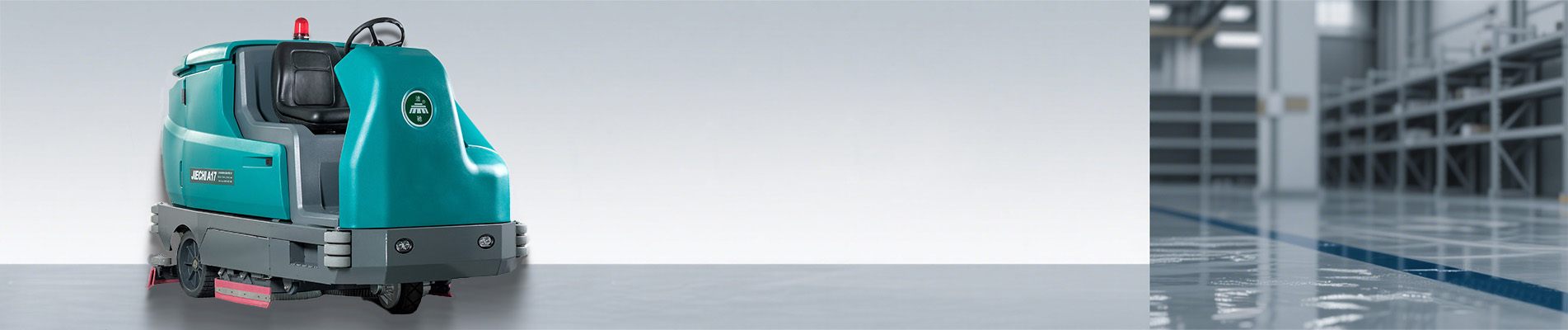
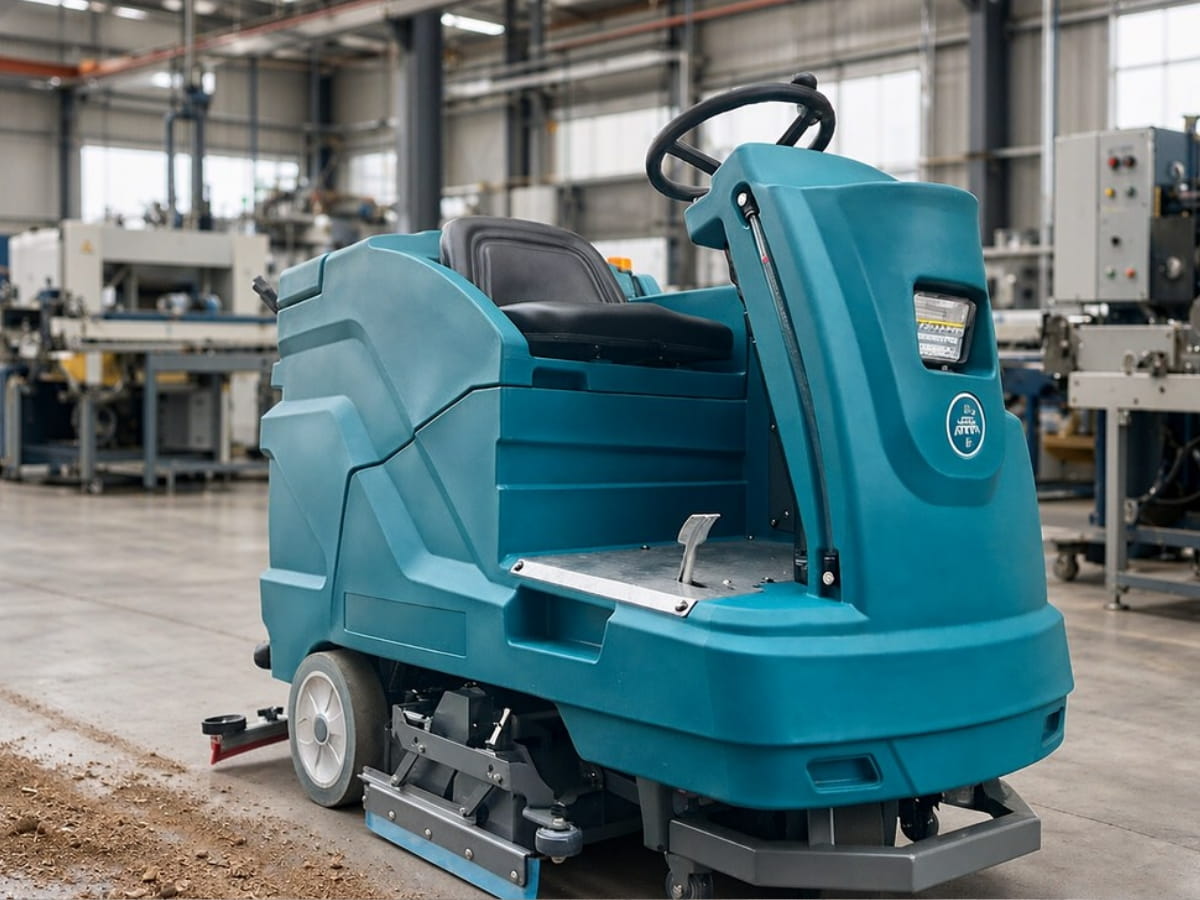
    Quick Answer Key Takeaways How It Works Two Passes Into One Site Conditions Payload & Shift Time Dual System Care Walk-behind vs Ride-on FAQ Conclusion Contact Us Quick Answer A scrubber sweeper combination machine sweeps dry debris into a hopper and scrubs the same strip of floor in one pass, so one operator replaces a two-machine, two-pass routine. It beats two machines when the floor carries both dust and stuck-on soil, and when the site is too small to justify a separate sweeper. Key Takeaways The hopper handles dry debris first, the brush deck and squeegee handle the wet work second, in the same travel direction. The saving is mostly operator hours and scheduling, not water or detergent. Mixed soil is the deciding factor. Floors with only dust suit a sweeper; floors with only film suit a scrubber. Dual systems mean two service routines. Skipping the sweeping side is how these machines get a bad reputation. The usual cleaning routine on a factory floor is two machines and two passes: a sweeper to get the grit up, then a scrubber once the loose material is gone. It works, and it costs two operators, two sets of consumables and a slot in the production calendar twice. A combination machine collapses that into one pass. Whether that is a genuine improvement depends on the soil, the aisle layout and how much of the shift is spent on things other than cleaning. Here is how to tell. How a combination machine works: sweeping then scrubbing The sequence matters, and it runs front to back. A cylindrical main brush lifts and throws. Unlike a disc brush that works flat against the floor, the roller brush on a combination unit turns against the direction of travel and flicks debris forward into a hopper. That is what lets it pick up a bolt or a wood offcut rather than pushing it around. The hopper collects dry. Debris goes into a separate container, kept dry and separate from the recovery tank. This is the part that makes the single-pass idea work at all: if grit went into the wet system it would settle in the tank and shorten the life of the suction motor. Solution goes down behind the debris pickup. With the loose material gone, the brush deck works on film and marks rather than grinding grit into the surface. The squeegee recovers immediately. Same pass, same direction, floor left dry behind the machine. An all in one scrubber sweeper is not a compromise between the two jobs; it runs them in the correct order, one behind the other. One practical limit worth knowing before you buy: the hopper handles debris up to a certain size, and beyond that the operator still needs a broom and a dustpan. Fine grit, sand, food residue, swarf and broken packaging are all inside the range. Pallet fragments and long offcuts are not. Where two passes become one The obvious saving is the second pass over the same floor. The real saving is usually somewhere else. Scheduling. Two machines need two windows, and in a plant running two shifts those windows are the hard part. One machine needs one window, which is often the difference between cleaning daily and cleaning when there is space in the calendar. Labour. One operator, one set of tank stops, one end-of-shift rinse. On a mid-size site that is commonly 60 to 90 minutes a day recovered. Fleet count. A combination floor machine replaces two assets in the register. Fewer machines means fewer batteries to manage, one parts list and one service contract.   Site conditions that suit combinations Use this table against your own floor before you decide. The pattern to look for is mixed soil, not heavy soil. Site condition Suits a combination? Why Dust plus tyre marks and spills Strong fit Both jobs are genuinely needed on every pass Mixed debris, small metal swarf, packaging Strong fit Roller brush lifts what a disc brush would push Fine dry dust only, no wet soil Poor fit The scrubbing half never earns its keep Heavy liquid or thick sludge Poor fit The hopper is the wrong container for the volume Very tight aisles under 1.2 m Check the width Combination decks are wider than a plain scrubber Long unbroken runs over 5,000 m² Ride-on class Operator fatigue becomes the limit, not the machine Payload, water capacity and shift time A combination machine carries three things instead of two: solution, recovered water and dry debris. All three fill up, and whichever fills first ends the run. On a walk-behind class unit that usually means a 95 L solution tank and 105 L recovery tank alongside a hopper of around 20 L. The hopper is the one that surprises people, because on a floor with genuine debris it fills long before the water does. Empty the hopper when it is a third full rather than waiting; a full hopper stops lifting and the main brush starts redepositing. From the field: what one ride-on covers in a shift The JIECHI M10 is published at 6,000 m²/h with a 280 L solution tank, 300 L recovery tank and 36V/220Ah. At a realistic 60% of that rate, four hours of running moves roughly 14,000 m² before tank stops. That is a planning figure from published specifications, not a measured result. Work backwards from the shift rather than forwards from the spec sheet. Decide how many hours the floor is available, subtract tank stops and hopper stops, and check the remaining time still covers the area. If it does not, the answer is a bigger machine, not a faster operator. It also helps to know where the water actually goes. Recovery capacity should be at least as large as solution capacity, because detergent, soil and the rinse water from the previous shift all add volume. A machine with a solution tank larger than its recovery tank will stop sooner than the spec sheet suggests. Maintenance of dual systems Empty and clean the hopper every shift. Left overnight, damp debris compacts and the following day the brush carries it instead of lifting it. Check the hopper seal at the same time. Inspect the roller brush for wrapped material. Strapping, film and wire bind around the cylinder and flatten the bristles in one section. It takes a minute to cut away and it changes how the machine picks up. Keep the squeegee and recovery side separate in your head. Blades, filters and the recovery tank need the same attention as on any scrubber. Treating the machine as a sweeper with a tank bolted on is the common failure. Watch brush pressure. Combination units run the main brush at a set pressure range, and worn bristles change what the machine does to the floor. Set it to the published range rather than guessing. Walk-behind vs ride-on combination classes Both classes exist for a reason, and the choice is mostly about area and aisle geometry rather than budget. Walk-behind suits up to roughly 4,000 m² per shift. It turns in tighter spaces, needs less storage, and one operator can load it into a van. An M series cleaning machine in this class, such as the JIECHI M16, carries 24V/200Ah, an 860 mm path, 4,200 m²/h and a 20 L hopper, which is the configuration that fits a small or mid-size plant with mixed debris. Ride-on suits long runs and continuous shifts. Above about 5,000 m² per shift, operator fatigue becomes the limiting factor, and a seated machine with a large tank set runs longer between stops. The trade-off is turning radius and machine weight, so check the tightest corner the route includes. If the site has both conditions, a long main hall and a tight packing area, the honest answer is often one of each rather than one machine trying to do both. Splitting the fleet also protects the schedule: when one unit is in for service, the floor still gets cleaned. Whichever class you land on, ask the supplier for the cleaning width. The width decides how long the job takes. Frequently Asked Questions Can a combination machine replace a sweeper and a scrubber entirely? On mixed-soil floors, yes for day-to-day work. Sites with heavy fine dust or heavy liquid usually still keep a dedicated machine for those areas. Does one pass clean as well as two? For typical factory soil, yes. The order is the same as a two-machine routine: dry debris up first, then solution, then recovery. What fills first, the hopper or the tanks? Usually the hopper on any floor with real debris. Empty it at a third full so the main brush keeps lifting. How much area suits a walk-behind combination? Up to roughly 4,000 m² per shift. Beyond that, operator fatigue makes a ride-on the better answer. Conclusion A scrubber sweeper combination machine wins when the floor carries dust and stuck-on soil at the same time and the site cannot spare two windows. Match the class to the area, empty the hopper early, and service both halves. Send us your floor area, aisle widths and debris type and we will tell you which class fits. Find the Right Combination Machine Tell us the floor area, aisle widths and what ends up on the floor. We will match a walk-behind or ride-on class to it. Tel: +1 2403149021  |  Email: kliu@jiechi.com  |  www.rceautofloorclean.com

  • How to Maintain Clean and Safe Commercial Floors During the Rainy Season?
    Jun 18, 2026
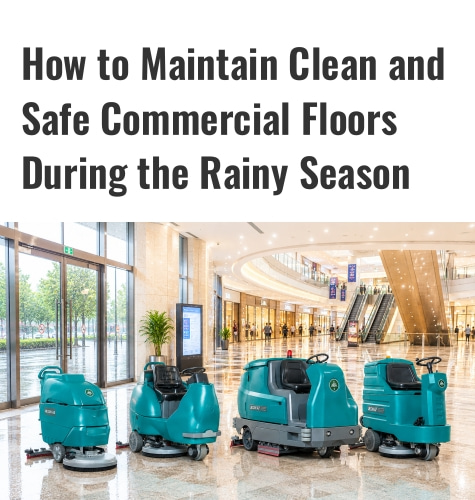
    Keep Floors Clean, Dry, and Safe During Wet Weather The rainy season brings continuous moisture, muddy footprints, standing water, and slippery floors. For shopping malls, office buildings, factories, schools, hospitals, and other commercial facilities, maintaining clean and safe floors becomes a daily challenge. Traditional cleaning methods often struggle to keep up with the increased cleaning demands. Mops leave excess moisture behind, require repeated cleaning, and consume significant labor resources. As a result, floors remain wet for extended periods, increasing the risk of slips and falls. JIECHI Scrubber Dryers are specifically designed to tackle these rainy-season cleaning challenges, delivering efficient floor washing, water recovery, and rapid drying in a single pass. 查看内容凭证 Common Cleaning Challenges During the Rainy Season Muddy Footprints Everywhere Rainwater carried in by pedestrians and vehicles quickly creates dirty footprints throughout entrances, corridors, and public areas. Frequent cleaning is required to maintain a professional appearance. Standing Water at Entrances Building entrances are especially vulnerable during rainy weather. Water accumulation not only affects cleanliness but also creates safety hazards for customers and employees. Increased Risk of Slips and Falls Wet floors can lead to accidents and liability concerns. Businesses need reliable solutions that leave floors dry immediately after cleaning. Higher Labor Costs Traditional mopping requires continuous manual effort throughout the day, especially during periods of heavy rainfall. Cleaning teams often struggle to maintain cleanliness standards efficiently.   How JIECHI Scrubber Dryers Solve Rainy-Season Cleaning Problems? Wash and Dry Simultaneously JIECHI Scrubber Dryers scrub floors with clean water and powerful brushes while immediately recovering dirty water through a high-performance vacuum system. Floors are left clean, dry, and ready for traffic within seconds. Powerful Water Recovery Advanced suction technology efficiently removes rainwater, muddy residue, and excess moisture, preventing water from spreading across the floor. Improve Workplace Safety By significantly reducing floor moisture, JIECHI machines help minimize slip hazards and create a safer environment for employees, visitors, and customers. Increase Cleaning Efficiency Compared with traditional mopping, a JIECHI Scrubber Dryer can clean large floor areas much faster, reducing labor intensity while improving cleaning quality. Suitable for Multiple Floor Types Whether cleaning epoxy floors, tile floors, concrete surfaces, PVC flooring, or stone floors, JIECHI machines deliver consistent cleaning performance.   Ideal Applications During the Rainy Season Shopping Malls and Retail Centers Maintain spotless entrances, walkways, and public spaces despite heavy customer traffic and wet weather conditions. Factories and Warehouses Quickly remove muddy footprints, water stains, and industrial dust to keep production and logistics areas clean and safe. Office Buildings Create a professional and welcoming environment by ensuring floors remain clean and dry throughout rainy days. Schools and Hospitals Maintain high hygiene standards while reducing safety risks in high-traffic facilities. Why Choose JIECHI? · Efficient cleaning and drying in one pass · Reduced labor costs and cleaning time · Enhanced floor safety during wet weather · Reliable performance for commercial and industrial environments · Durable design built for demanding daily use Stay Prepared for the Rainy Season Don't let rainy weather compromise cleanliness, safety, or operational efficiency. With JIECHI Scrubber Dryers, businesses can maintain clean, dry, and professional-looking floors even during the wettest months of the year.
  • Ride-On vs. Walk-Behind Floor Scrubbers: A Complete Comparison for Facility Managers
    May 23, 2026
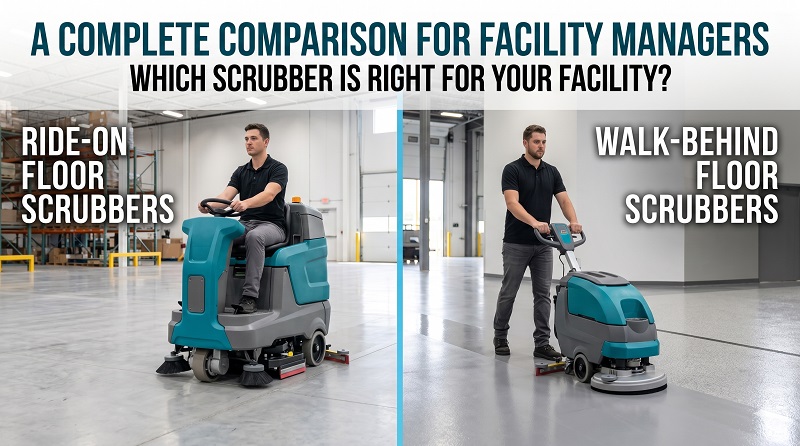
      Choosing the right floor scrubber can significantly impact your facility's cleanliness, operational efficiency, and bottom line. For facility managers and cleaning contractors, one of the most fundamental decisions is whether to invest in a ride-on floor scrubber or a walk-behind floor scrubber. Both machine types serve the same core purpose — cleaning and drying hard floors in commercial, industrial, and institutional settings. But they differ dramatically in productivity, cost, maneuverability, and suitability for different applications. This guide breaks down every aspect to help you make an informed decision. What Are Ride-On Floor Scrubbers? Ride-on floor scrubbers are self-propelled cleaning machines that the operator sits on while driving. They are designed for large open areas where covering significant square footage quickly is the top priority. Typical specifications: Cleaning width: 28–48 inches (700–1200 mm) Solution tank capacity: 30–70+ gallons (110–265+ liters) Coverage rate: 40,000–100,000+ sq ft per hour Battery runtime: 3–6 hours depending on model Ride-on scrubbers are most commonly used in warehouses, distribution centers, large manufacturing plants, big-box retail stores, shopping malls, airport terminals, and parking garages.   What Are Walk-Behind Floor Scrubbers? Walk-behind floor scrubbers are machines that the operator walks behind while guiding them across the floor. They come in two configurations: Walk-behind with rider sulky — The operator walks but can occasionally ride on a small platform for brief rests Standard walk-behind — Fully walk-along operation Typical specifications: Cleaning width: 17–34 inches (430–860 mm) Solution tank capacity: 8–25 gallons (30–95 liters) Coverage rate: 12,000–40,000 sq ft per hour Battery runtime: 2–5 hours Walk-behind scrubbers are ideal for smaller facilities, spaces with tight aisles and corners, multi-room buildings, restaurants, schools, retail stores, hospitals, and office buildings. Head-to-Head Comparison Factor Ride-On Scrubber Walk-Behind Scrubber Productivity 40,000–100,000+ sq ft/hr 12,000–40,000 sq ft/hr Best for 30,000+ sq ft open spaces Under 30,000 sq ft, complex layouts Maneuverability Lower — needs turning radius Higher — can navigate tight spaces Operator fatigue Low — seated operation Higher — walking all shift Initial cost $8,000–$30,000+ $2,500–$12,000 Maintenance cost Higher (more complex) Lower (simpler mechanics) Storage size Requires more space Compact storage Noise level Moderate Low to moderate Battery weight Heavy (integrated) Lighter (removable often possible) Training required More (driving skills) Minimal When to Choose Ride-On Choose a ride-on floor scrubber if your facility meets these criteria: 1. Large open floor area. If your facility has 30,000 square feet or more of contiguous floor space, a ride-on machine will pay for itself in labor savings. An operator on a ride-on scrubber can clean a 50,000 sq ft warehouse floor in about 1 hour — a task that would take a walk-behind operator 2.5 to 3 hours. 2. High cleaning frequency. Facilities that need daily or multiple-times-per-day cleaning, such as busy distribution centers or food processing plants, benefit enormously from ride-on productivity. 3. Long operator shifts. If your cleaning staff works 6–8 hour shifts, a ride-on machine dramatically reduces fatigue and improves cleaning quality. A tired operator using a walk-behind may rush the job or miss spots. 4. Budget for higher investment. While upfront cost is higher, the labor savings of a ride-on scrubber often deliver an ROI in 6–18 months for large facilities. Browse our ride-on floor scrubber collection → When to Choose Walk-Behind Choose a walk-behind floor scrubber if your situation matches these conditions: 1. Smaller facility. For spaces under 30,000 sq ft — or multiple small rooms totaling under that — a walk-behind is the more practical and cost-effective choice. 2. Tight aisles and obstacles. Facilities with narrow aisles (under 5 feet wide), heavy racking, many columns, or complex layouts are better served by walk-behind machines. They can turn in tight spaces and easily maneuver around obstacles. 3. Budget constraints. Walk-behind machines cost significantly less upfront. For small businesses, startups, or facilities with limited capital, they offer outstanding value and quick ROI. 4. Multi-surface or multi-floor cleaning. If the same machine needs to clean a retail store on one floor and an office on another, a walk-behind is much easier to move between floors or transport between job sites. 5. Mixed-use facilities. Schools, hospitals, and office buildings with varied room sizes and different floor types benefit from the versatility of walk-behind scrubbers. Check out our walk-behind scrubber models → Key Decision Matrix Facility Type Recommended Reasoning Warehouse / Distribution Center 50,000+ sq ft Ride-On Large open area, high productivity needed Small workshop 10,000–30,000 sq ft Walk-Behind Better value, adequate coverage Supermarket / big-box retail Ride-On Wide aisles, large floor area Convenience store / small retail Walk-Behind Tight space, lower budget Hospital patient wings Walk-Behind Multiple rooms, noise considerations Hospital main lobby / corridors Ride-On Large continuous area School classrooms & hallways Walk-Behind Multi-room, complex routing Food processing plant Ride-On Large area, frequent cleaning cycles Parking garage Ride-On Expansive sloped surface Office building Walk-Behind Multi-floor, room-to-room Total Cost of Ownership Cost Component Ride-On (48") Walk-Behind (28") Purchase price $18,000 $6,500 Batteries (2-year replacement) $600–$1,200 $300–$600 Brushes / pads (annual) $300–$500 $200–$350 Maintenance (annual) $500–$1,000 $300–$600 Labor cost per year ($15/hr, 50K sq ft daily) $12,000 $30,000 5-year TCO ~$85,000 ~$188,000 The labor savings from a ride-on scrubber in a large facility can easily dwarf the purchase price difference. Why Choose JIECHI for Your Floor Scrubber JIECHI Cleaning manufactures both ride-on and walk-behind floor scrubbers to meet the diverse needs of commercial and industrial facilities worldwide. As a full-factory OEM with over 60,000 m² of manufacturing space, we design and build every machine from the ground up — ensuring consistent quality, reliable performance, and cost-effective pricing. Whether you need a compact walk-behind for a retail store or a heavy-duty ride-on scrubber for a 100,000 sq ft warehouse, we can provide the right solution — and support it with genuine spare parts and responsive after-sales service. Contact us today for a personalized equipment recommendation based on your facility's specific requirements.

leave a message

leave a message
If you are interested in our products and want to know more details,please leave a message here,we will reply you as soon as we can.
submit

Home

Products

WhatsApp

contact