
 Phone: +1 2403149021
 Mail: kliu@jiechi.com
Phone: +1 2403149021Mail: kliu@jiechi.com


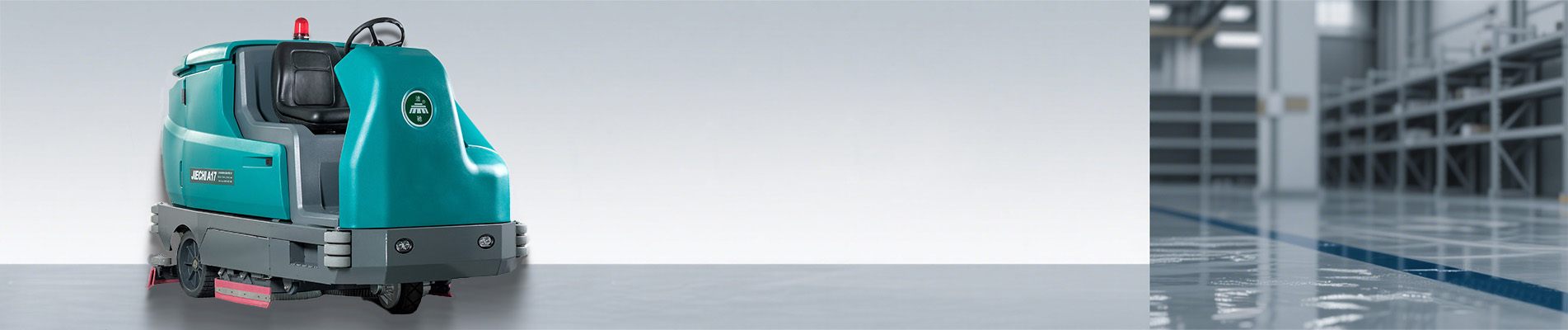
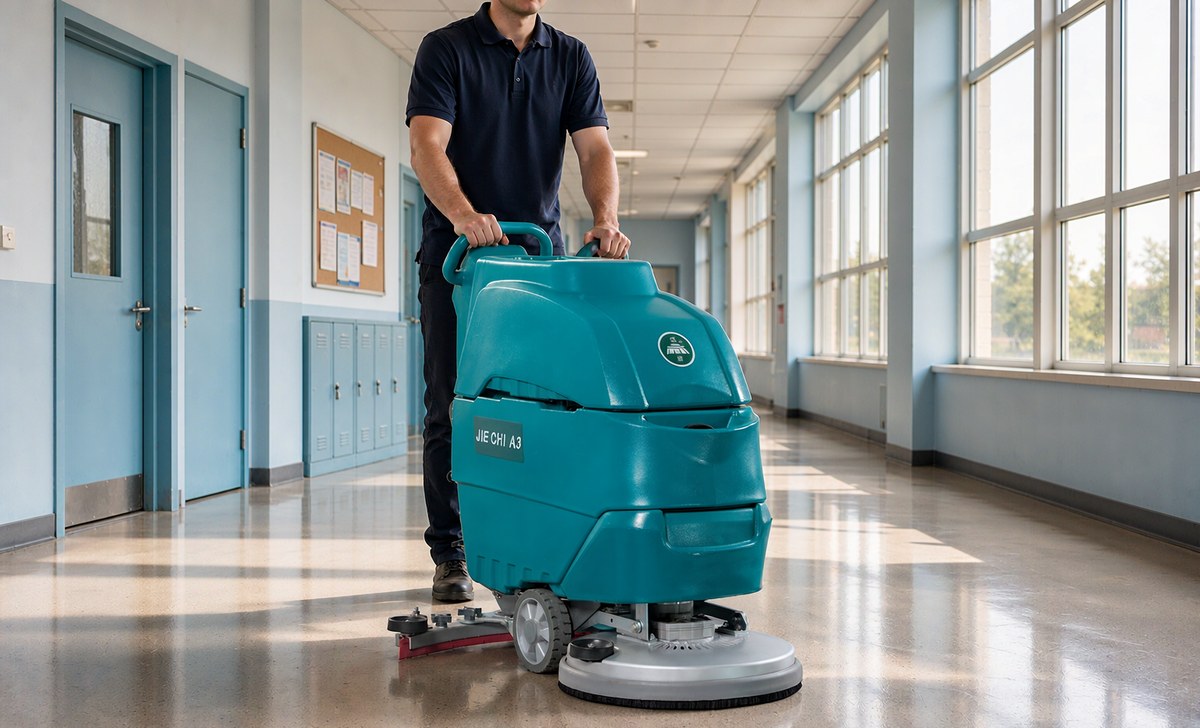
School floor cleaning runs on two calendars. In term time you protect the floor: dry sweep corridors after breaks, spot-mop entrances, and scrub only what a day of foot traffic actually soils. In vacations you restore it, because that is the only window when a machine can work in an empty corridor.
Schools are the hardest commercial cleaning client to plan for, because the building changes personality four times a day. A corridor at 08:40 is a crowd. At 10:30 it is empty. At 12:15 it is a canteen queue. At 15:30 it is a stampede.
Campus cleaning plans that survive contact with reality are built around that rhythm rather than against it. Here is how we would set one up, from zone map to holiday programme.
Four zones, four different soils.
Classrooms. Low soil, high furniture density. Chairs and desks mean a machine is slower than a mop here. Hand cleaning wins, with a machine pass once a week down the clear edge.
Corridors. The highest-traffic floor in the building and the one that shows dirt first. Vinyl and safety flooring, both of which mark easily and both of which parents notice on open day.
Gyms. Rubber or timber, sweat and resin. Water volume matters here, and so does drying time, because a wet gym floor is a liability.
Canteens. Grease, food debris and drink spills, all within a 40-minute window. This zone needs the most frequent attention and the strongest chemical.
Our A3 walk-behind scrubber is the machine most campus teams end up with for corridors and canteens: 530 mm scrub width, 770 mm suction, 2,200 m²/h, 50 L clean and 55 L recovery. At 127 × 55 × 109 cm and 155 kg it fits a standard door and a service lift without a ramp.
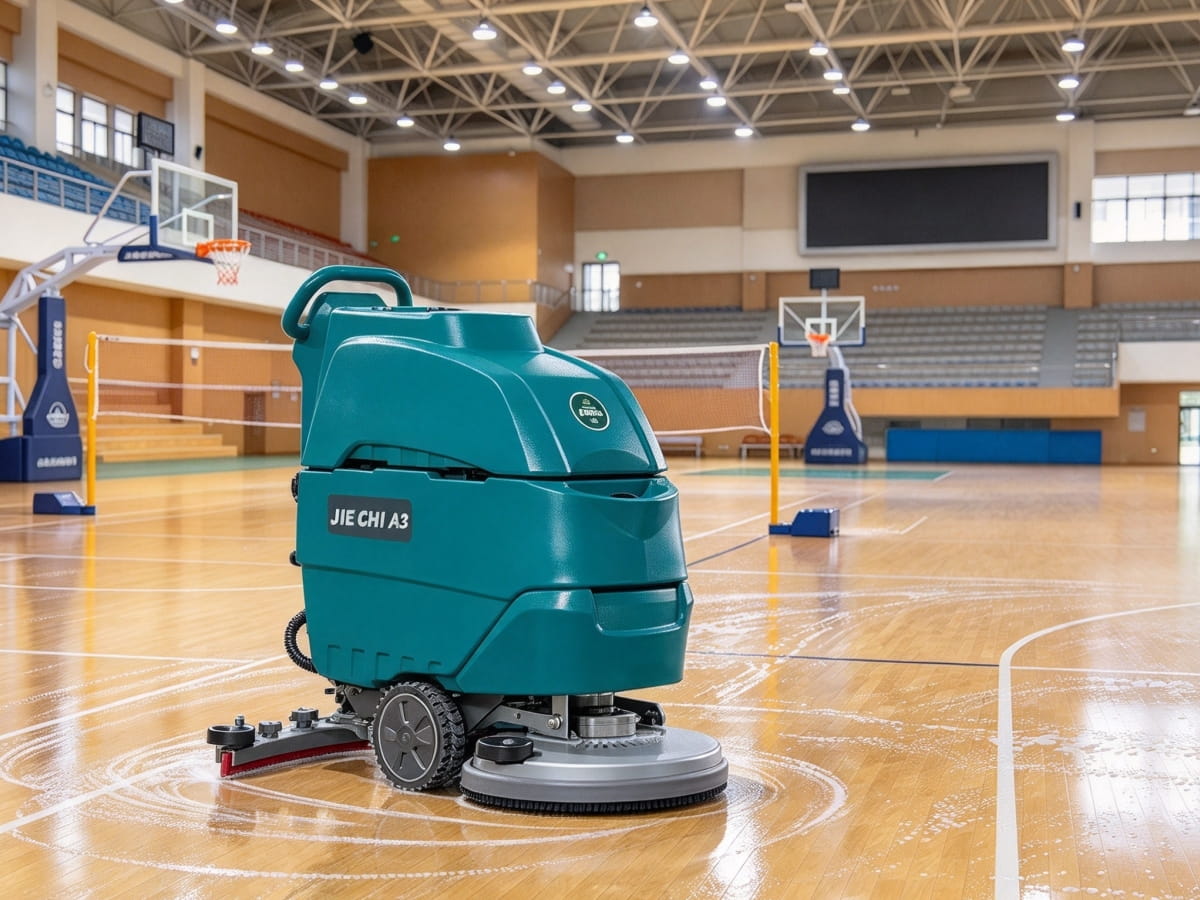
Holidays are when the floor gets the work it has been waiting for: two weeks, an empty building, nobody to move off the floor. This is the school vacation deep cleaning window, and it is short.
Machine scrub everything reachable. This is where a larger machine earns the spend. Our M20 scrubber-sweeper covers 5,500 m²/h with a 900 mm brush and 1,080 mm suction width, and it sweeps and scrubs in one pass. That matters in a canteen, where debris and grease arrive together. Its 20 L dust box means the crumbs go in the bin rather than into the recovery tank.
Gym floors. Deep clean, check the finish, and let it dry for a full day before any equipment goes back.
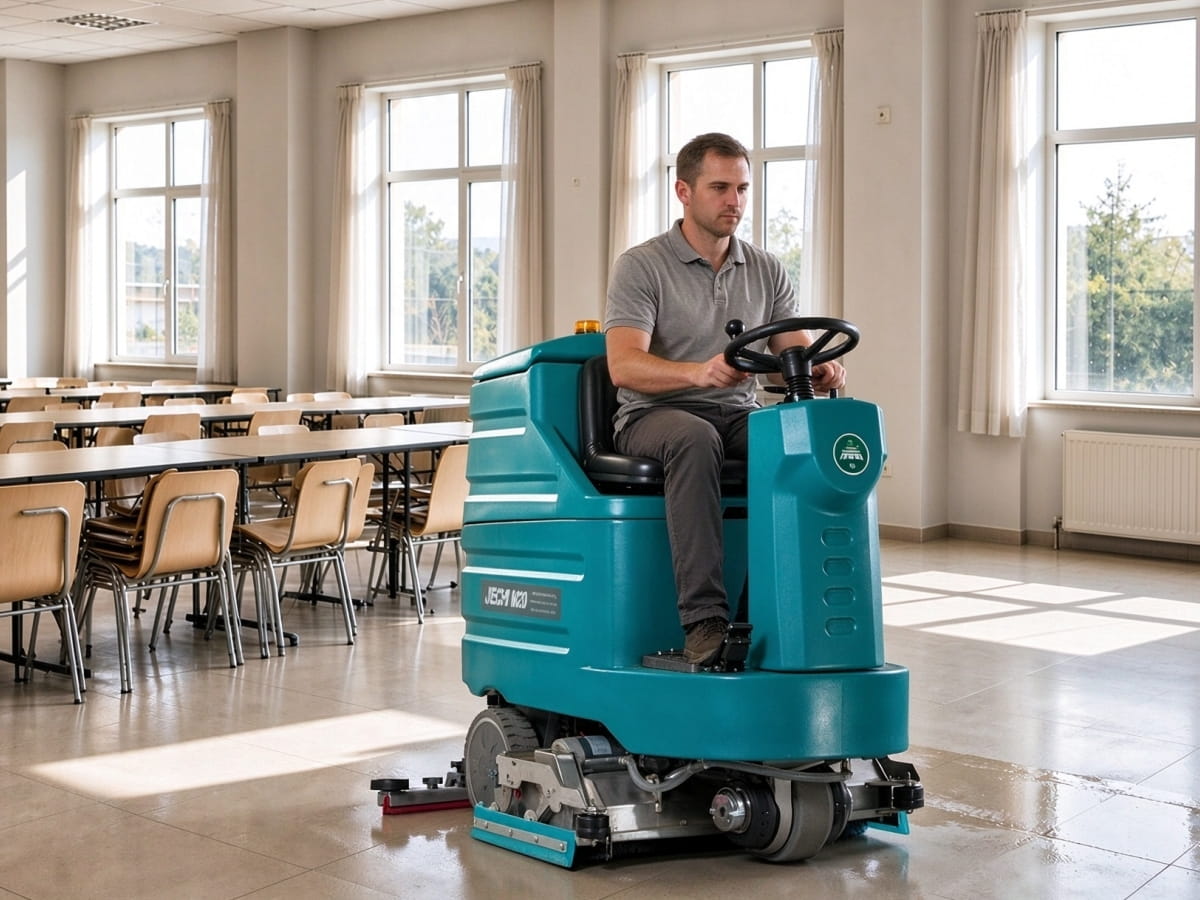
A school is the one client where the cleaning schedule and the safeguarding policy have to be written by the same person.
Machines. A scrubber running a corridor at 09:00 is a moving hazard with children moving faster than judgement. Machines work after the last bell, full stop. If a daytime pass is unavoidable, it runs behind a barrier with an adult at each end.
Training. Two named operators per machine, not one. The second one is who covers a sick day and who notices when the squeegee starts streaking.
Jiechi(RCE) has built floor cleaning equipment since 2003 from two production bases totalling 60,000 m². Campus buyers ask about coverage first and forget the lift. A3 at 127 × 55 × 109 cm and 155 kg goes into a standard service lift and through a classroom door; a ride-on does not. Measure the lift and the narrowest door before you compare m²/h figures.
A campus with six buildings and four machine models has four sets of spares and no spare flexibility. University floor care contracts usually specify one standard, and there is a reason for it.
| Model | Best for | Scrub / suction | Tanks |
|---|---|---|---|
| A3 | Classroom wings, corridors, small canteens | 530 mm / 770 mm | 50 L / 55 L |
| M20 | Main corridors, gyms, dining halls | 900 mm / 1,080 mm | + 20 L dust box |
Both run 24V battery systems with no trailing cable in a building full of children, and both use the same consumable family. That last point is the one that saves money: one pad, one squeegee profile, one order.
A 24V lead-acid pack also means a charging point in a caretaker's room rather than a three-phase supply, which most older school buildings cannot offer without an upgrade.
Can school floors be machine cleaned during the school day?
Only in a closed zone with barriers at both ends, and only if the floor dries before the next break. Most schools schedule machines after the last bell instead.
How often should school corridors be scrubbed?
A full mechanical pass daily after school in high-traffic corridors, and a lighter pass in classroom wings two or three times a week. Entrances need attention twice a day, not once.
What is the best floor cleaning machine for a school?
Usually a walk-behind scrubber around 530 mm for corridors and canteens, plus a larger scrub-sweeper for dining halls and gyms. The walk-behind is the one that fits doors and lifts.
When is the best time for a school vacation deep clean?
The first half of the longest break. Finish with time left for floors to cure and rooms to dry before staff and students return.
Send us your building count, corridor lengths and lift dimensions. We will map the zones and tell you which machines fit the doors you actually have.
Tel: +1 2403149021 | Email: kliu@jiechi.com

 Phone:+1 2403149021
 Email:kliu@jiechi.com

leave a message
Scan To Wechat :

Scan To WhatsApp :

 English


