
 Phone: +1 2403149021
 Mail: kliu@jiechi.com
Phone: +1 2403149021Mail: kliu@jiechi.com


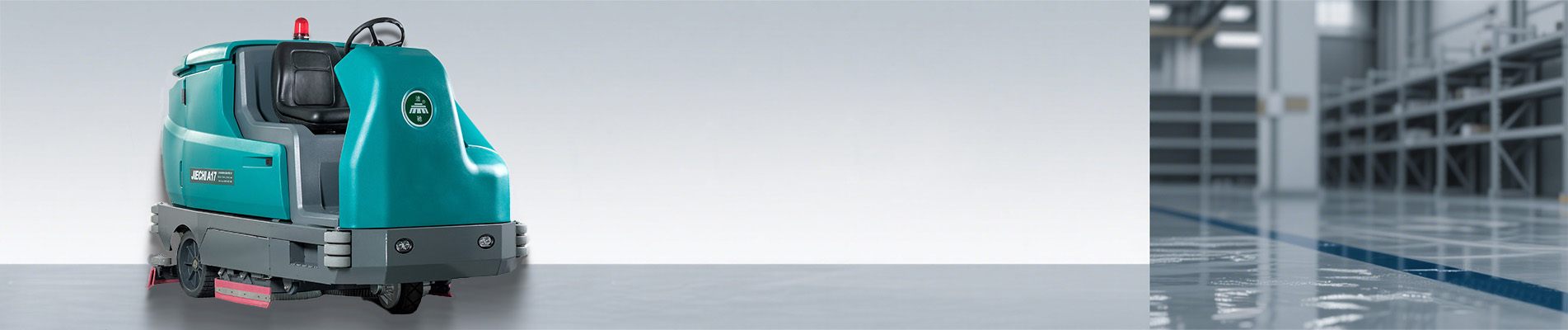
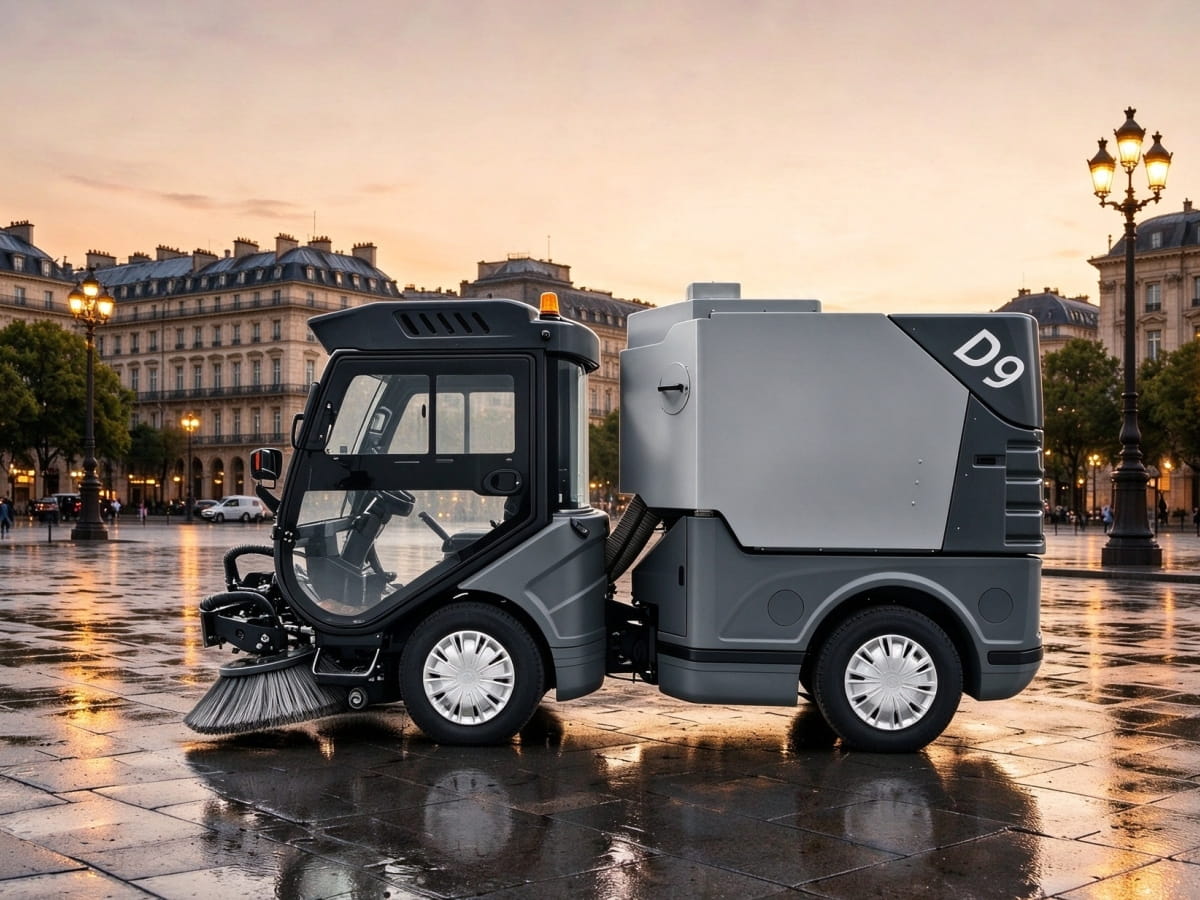
Choosing the right sanitation vehicle takes many factors into account. A lithium road sweeper vs diesel decision usually turns on two numbers. Diesel costs about $33 per eight-hour shift at 3.2 L/h. A 48 kWh lithium sweeper recharges for roughly $7. Lithium also wins on night routes and emission-zone access. Diesel still wins where there is no charging window.
Jiechi's S9 multifunctional sanitation vehicle is rated at 3.2 L/h. Over an eight-hour shift that is 25.6 L, and its 70 L tank needs a top-up before a second shift.
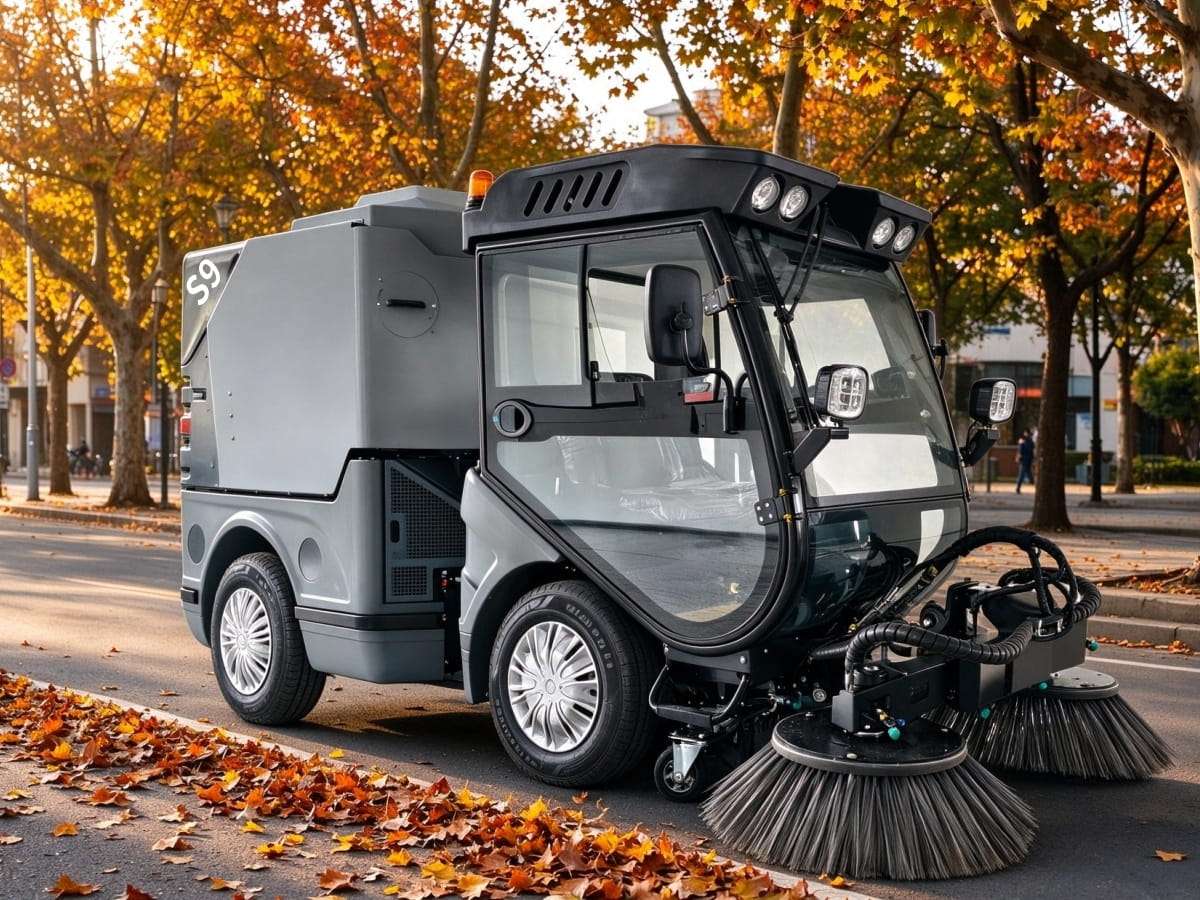
Lithium is simpler again. The JC-D9 lithium battery road sweeper carries a 307.2 V, 48 kWh lithium iron phosphate pack. Budget around 53 kWh at the meter once charging losses are counted.
| Line item | Diesel (S9) | Lithium (JC-D9) |
|---|---|---|
| Energy per 8 h shift | 25.6 L diesel | 48 kWh + charging loss |
| Unit price assumed | $1.30 / L | $0.14 / kWh |
| Cost per shift | ~$33 | ~$7 |
| Cost per year (250 shifts) | ~$8,300 | ~$1,850 |
| Annual difference | baseline | ~$6,450 lower |
Two things move that gap. Night tariffs can halve the electricity line, and route intensity matters: a diesel engine idling at a transfer station still burns fuel, an electric driveline does not.
Fuel is the loud cost. Service is the quiet one.
A diesel sweeper carries a full engine schedule: oil and filter, fuel and air filters, coolant, belts, plus hydraulic oil for the hopper and brush circuits. The S9 runs a Perkins 404EA-22 four-cylinder, so all of that applies.
A lithium machine deletes most of that list: no engine oil, no fuel or air filter, no exhaust aftertreatment. What stays is common to both: brush wear, hopper seals, suction hoses, tyres and the water spray system.
| Service item | Diesel | Lithium |
|---|---|---|
| Engine oil and filter | Required | Not applicable |
| Fuel and air filters | Required | Not applicable |
| Coolant and drive belts | Required | Not applicable |
| Exhaust and aftertreatment | Required | Not applicable |
| Hydraulic oil and checks | Required | Required |
| Brushes, seals, hoses, tyres | Required | Required |
| Traction pack health check | 12 V starter battery only | Cell balance, insulation resistance |
This is where the argument stops being about money.
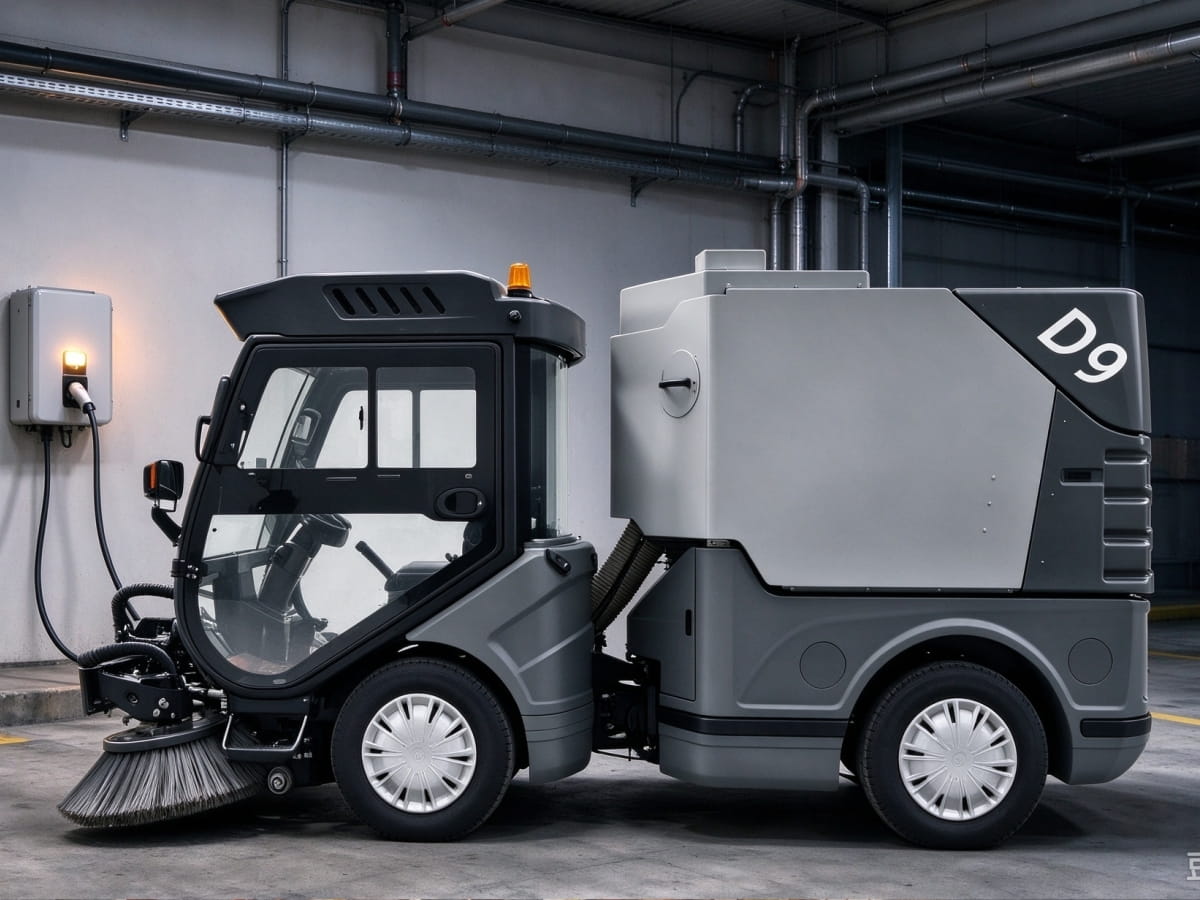
City centres across Europe, and a growing list of Asian and Latin American metros, restrict diesel either through a low-emission zone or through the tender text itself. A diesel unit may be exempted in one scheme and barred in another, so read the actual wording of the zone you bid into.
Noise is the second access question. Jiechi publishes 69 dB(A) for the JC-D9, and that is what lets you run a night route past hotels or a hospital perimeter without building a complaint file. The operating noise of the S9 fuel sanitation vehicle is higher.
An emission zone sweeper also changes how you plan the shift. Quiet machines can start at 04:00 rather than 07:00, so the route finishes before traffic builds, and that is worth more to a city than the fuel saving.
Be honest about the route before you pick a driveline.
On volume the two are close. The S9 carries a 1.6 m³ hopper with one-touch hydraulic self-dumping; the JC-D9 carries a 1,850 L aluminium waste bin. Water tells a similar story: 320 L with sewage recirculation against 380 L. Sweeping width is adjustable on each, 1.4–2.2 m on the S9 and 1.6–2.2 m on the JC-D9.
Run time is where they separate. The JC-D9 is rated at 8 hours of sweeping endurance on a charge. The S9's 70 L tank at 3.2 L/h covers a long shift too, and refuelling takes minutes where recharging does not. A 16-hour double shift is honestly diesel territory. Working speed differs too: 12 km/h on the JC-D9 against a 24 km/h maximum on the S9, which matters on long transfer runs.
Almost nobody goes all-electric in one purchasing round. The practical answer is a split.
Put lithium on dense centre routes, pedestrian zones, plazas, parks, stadiums and exhibition grounds, plus any night shift and anything inside an emission zone. The JC-D9 was drawn for that list, with a panoramic glass cab, integrated HVAC and an enclosed negative-pressure body that keeps dust inside the machine.
Keep diesel on peripheral routes and any shift pattern that cannot guarantee a charging window. The S9 multifunctional diesel sanitation vehicle is built for it.
What is the electric road sweeper cost per shift compared with diesel?
At mid-range commercial rates, about $7 of electricity for a 48 kWh pack against about $33 of diesel at 3.2 L/h over eight hours. Your tariff and pump price decide the real gap.
Can one lithium sweeper cover a double shift?
Usually not without a charging window. Plan one machine per shift, or specify opportunity charging during the driver break, and confirm the pack warranty covers the extra cycles.
The lithium road sweeper D9 vs diesel S9 argument is settled on cost and access, not capability. Lithium wins the energy line and opens night and emission-zone routes. Diesel keeps remote routes, and double shifts. Map routes against run time and charging first, then let the tender decide.
Send us your route list, shift pattern and depot charging capacity. We will size the lithium and diesel split and price both.
Tel: +1 2403149021 | Email: kliu@jiechi.com

 Phone:+1 2403149021
 Email:kliu@jiechi.com

leave a message
Scan To Wechat :

Scan To WhatsApp :

 English


