other

Floor scrubber Maintenance

Home

Floor scrubber Maintenance

  • Food Plant Floor Cleaning by Sanitation Zone
    Oct 21, 2026
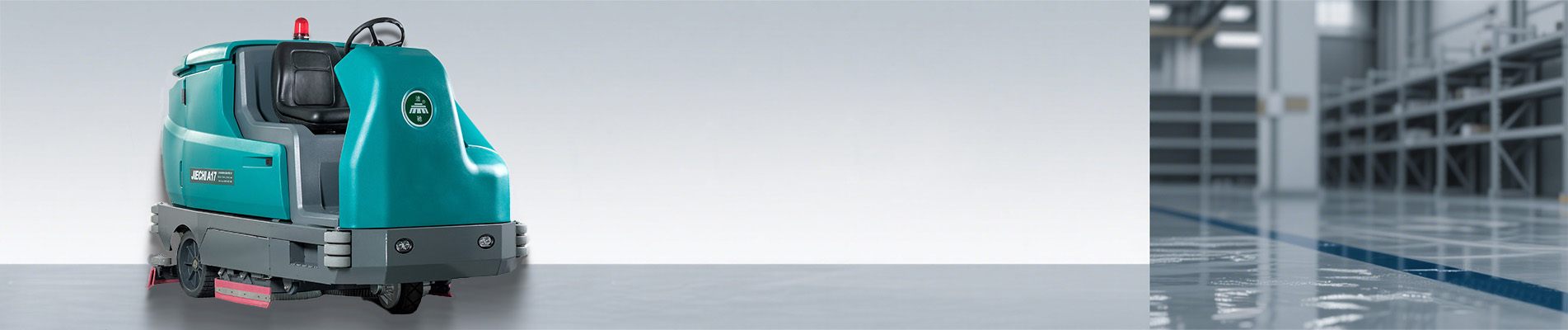
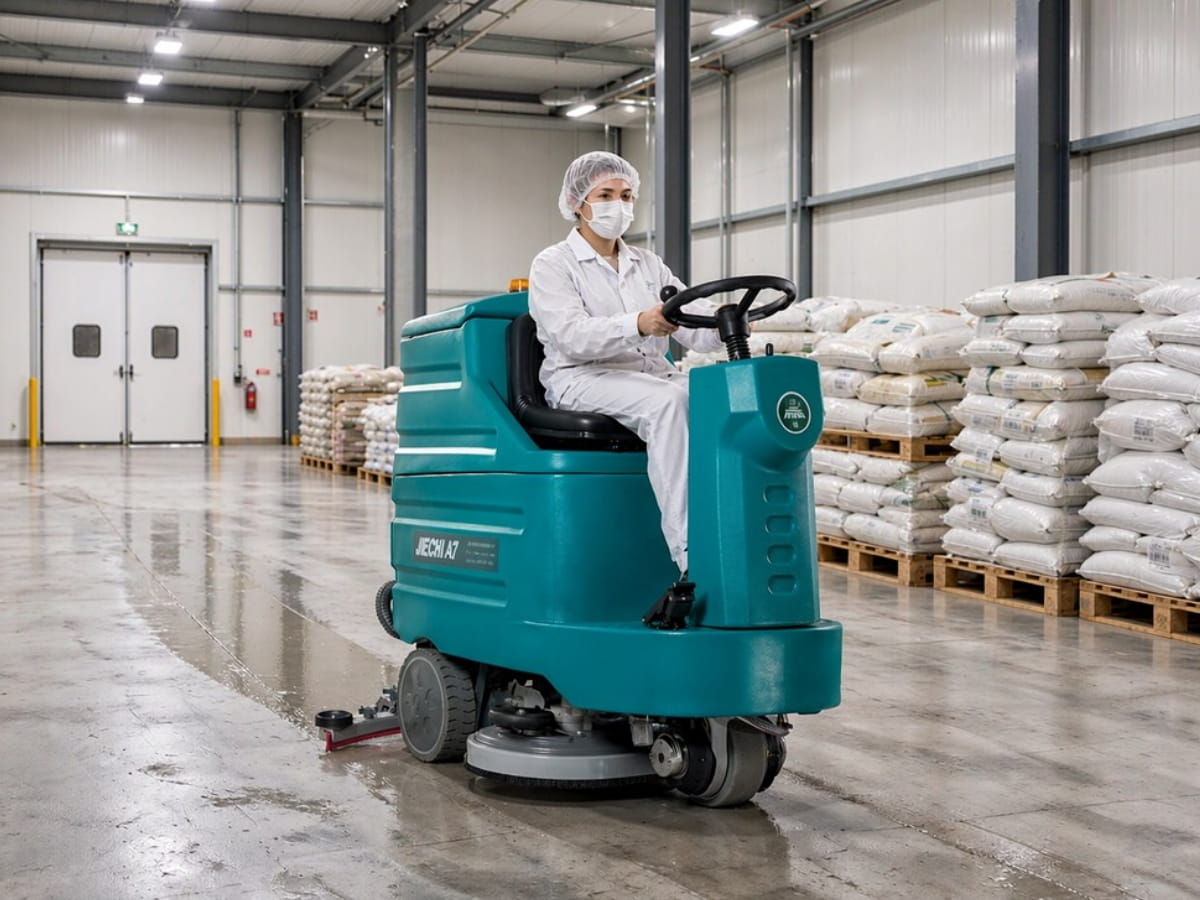
    Food plant floor cleaning holds up when the zone decides the method and the machine follows. Dry lift in high-care rooms, controlled wet cleaning at changeover, squeegee-dried floors and signed-off drains do more for a hygiene score than any single machine. Verify it with swabs on a fixed sampling plan, and keep records a crew will maintain on the worst shift of the week.   A food plant is not one floor. It is a series of floors with different rules, joined by corridors that belong to nobody in particular, and a single failed method in the wrong room can cost a customer contract. So generic advice for food processing hygiene floors falls apart on site. "Wash down every shift" sounds disciplined until someone drags a wet squeegee past an open product line.   Zone classification and cleaning requirements   Most plants carry a zoning map in their HACCP plan, and HACCP floor cleaning starts by reading it: Zone 1 for product contact, Zone 2 for frames that could transfer contamination with a mistaken touch. High-care floors sit on that boundary, which is why auditors ask about them. The useful split is high-care, medium-care, low-care and perimeter.   Zone Water policy Typical machine High-care, ready-to-eat Dry pickup in production. Controlled wet cleaning at changeover, dried at once. Compact walk-behind, low flow, or wet-dry vacuum Medium-care prep and packing Wet cleaning between runs, floor signed until dry Walk-behind scrubber, 500–600 mm brush path Low-care stores and logistics Wet cleaning any shift, foam permitted Ride-on scrubber, wide squeegee Perimeter and waste bays Unrestricted, runoff must leave the food area Pressure washing, external drains   For hard-to-reach plant, a walk-behind scrubber such as the Jiechi BA680BT is a practical compromise. Its 530 mm brush path and 770 mm suction width reach between prep-room line legs a ride-on cannot, and the 2200 m²/h rated output lets one operator cover the medium-care block in a shift. The 68 L clean and 70 L recovery tanks keep most prep rooms going without a refill.   The interface that catches plants out is the door between zones, and it is where sanitation zone cleaning quietly fails: a machine coming from a low-care store into a high-care room carries wheels, brushes and squeegee edges loaded with the previous floor. Either assign a machine per block, or make a wheels-and-blades clean at the boundary a signed task.   Equipment materials for food environments   A scrubber in a food plant lives harder than in a supermarket: bumped into steel legs, washed with caustic, left in a damp store, expected to start at 5 a.m. Body and tank build decide whether it lasts three years or eight. Moulded tanks survive knocks better than steel panels that dent and hold water at the fold, and aluminium brush covers avoid the rust creep that starts on painted steel at the first chip. Wear parts should come off without tools: an operator who needs a spanner to change a squeegee blade will run a streaking one all week.   Check the openings too. A wide lid and smooth interior drain completely; ribs and a narrow outlet leave a film that is a contamination point by Friday. And check the machine comes apart round the brush deck, because what sits under the guard is what the auditor asks to see. On power, a lithium pack can be opportunity-charged between zones; sealed lead-acid is cheaper where an overnight window exists.     For wide corridors and cold stores, a ride-on covers ground far faster. A dual-brush ride-on scrubber like the Jiechi A7 runs an 860 mm brush path and a 1,100 mm squeegee at a rated 5500 m²/h, with 140 L clean and 150 L recovery tanks. The turning circle matters more than the width in a food building: it turns on the spot at the end of a narrow aisle instead of reversing into a racking leg.   From the field: spec the machine to the zone, not the plant Jiechi has built cleaning equipment since 2003 across two production bases totalling 60,000 m². The most common mistake in food projects is one wide machine bought for the whole building: it will not fit between prep-room line legs, so the high-care rooms go back to mopping. Our usual answer is one compact walk-behind per high-care block, one ride-on for corridors and cold stores, and colour-coded squeegee blades at the store. FAQ Can I use one scrubber across all zones? Mechanically yes, hygienically no. Wheels, brushes and squeegee edges carry soil room to room, so a shared machine needs a documented clean at every boundary. A unit per high-care block is usually cheaper than that compliance work. Do we need a ride-on at all? Only if you have the area. Corridors and dry stores above roughly 3,000 m² pay back a ride-on quickly. Below that, a walk-behind wins because it spends less time turning. Match a machine to your zone map Send us your zone layout and floor areas. We will recommend the walk-behind and ride-on split that fits each area Tel: +1 2403149021  |  Email: kliu@jiechi.com
  • Floor Scrubber Maintenance 101: Essential Tips to Extend the Life of Your Cleaning Equipment
    May 11, 2026
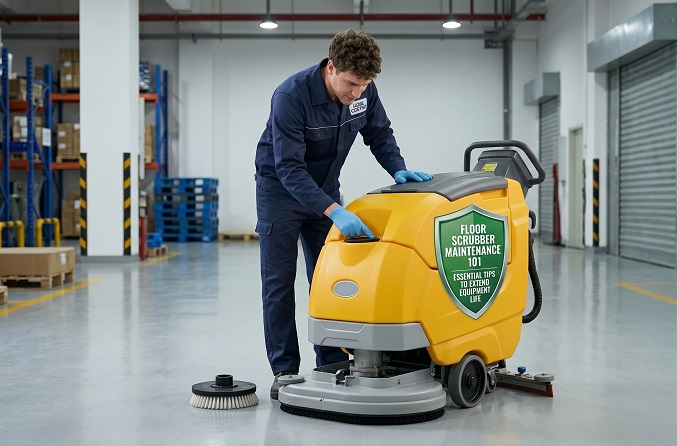
    Why Regular Maintenance Matters for Your Floor Scrubber A commercial floor scrubber is a significant investment. Whether you operate a walk-behind or a ride-on model, proper maintenance is the key to maximizing its lifespan, minimizing downtime, and keeping your facility's floors spotless. Neglecting routine care can lead to costly repairs, reduced cleaning performance, and premature equipment failure. In this guide, we'll walk you through the essential floor scrubber maintenance tips every facility manager should know. 1. Clean the Squeegee Blades Daily The squeegee is responsible for drying the floor after scrubbing. If the blades are dirty, cracked, or worn, water will be left behind — creating slip hazards and slowing down your cleaning operation. What to do: After each use, rinse the squeegee blades with clean water. Remove any string, hair, or debris wrapped around the blade edges. Inspect for nicks and wear. Rotate or replace blades as needed (every 3–6 months depending on usage). Worn squeegee blades force you to go over the same area twice, wasting time and water. 2. Check and Clean the Brush or Pad Deck Your floor scrubber's brushes or pad drivers do the heavy lifting — scrubbing dirt and grime off the floor. Over time, they accumulate debris, grease, and chemical residue, which reduces scrubbing efficiency. What to do: Remove brushes after each shift and rinse them thoroughly. Check for uneven wear — if bristles are worn on one side, the brush may need replacement or the deck may need adjustment. Replace brushes every 6–12 months depending on floor type and usage frequency. Using worn or dirty brushes can also damage the floor surface. If you're unsure which brush type to use, check out our guide on floor scrubber brush types to select the right pad or disc for your specific floor. 3. Empty and Rinse the Recovery and Solution Tanks Stagnant water and chemical residue inside the tanks can cause odors, bacterial growth, and clogged drain lines. This is one of the most overlooked yet critical routine care steps. What to do: Empty both the recovery and solution tanks after every use. Rinse tanks with fresh water and wipe them down. Leave the tank lids open to air dry — this prevents mold and mildew. A dirty tank can lead to clogged filters and vacuum motor damage over time. 4. Inspect and Replace Vacuum Filters The vacuum motor pulls dirty water from the floor into the recovery tank. A clogged or wet filter starves the motor of airflow, causing it to overheat and fail. What to do: Check the vacuum filter weekly. Tap out loose debris and rinse foam filters with water (let them dry completely before reinstalling). Replace paper or HEPA filters according to the manufacturer's schedule. A clean filter not only protects the vacuum motor but also ensures better water pickup — leaving floors drier after cleaning. 5. Battery Care: The Heart of Your Machine Whether your scrubber uses lithium or lead-acid batteries, battery maintenance is critical. For lead-acid batteries: Check water levels weekly. Distilled water only — never tap water. Keep terminals clean and free of corrosion. Equalize charge every 10–15 cycles to prevent sulfation. For lithium batteries: No watering needed, but avoid deep discharges. Store at 50% charge if the machine won't be used for extended periods. Proper battery care can double the useful life of your power source and prevent unexpected downtime during a shift. 6. Inspect Hoses and Seals for Leaks Cracked vacuum hoses or worn seals are a common source of reduced cleaning performance. If you notice water leaking from the machine or a sudden drop in water pickup, check the hoses first. What to do: Visually inspect all hoses monthly. Listen for air hissing — that indicates a vacuum leak. Replace cracked or brittle hoses immediately. A small crack can quickly turn into a major vacuum system failure if ignored. 7. Lubricate Moving Parts and Fasteners Your floor scrubber has several pivot points, wheel bearings, and mechanical linkages that need periodic lubrication. What to do: Apply grease or machine oil to pivot points and bearings per the operator manual. Avoid over-lubricating — excess grease attracts dust and debris. Check the scrub head lift mechanism and steering components regularly. Lubrication reduces wear, prevents squeaking, and keeps the machine operating smoothly. 8. Store Your Machine Properly Where and how you store your floor scrubber matters. What to do: Store in a dry, temperature-controlled area. Never leave the scrubber outdoors or in freezing conditions (water left in the system can freeze and crack hoses, pumps, and tanks). Charge batteries after use but don't leave them on the charger indefinitely. Proper storage is the simplest way to prevent weather-related damage and extend equipment life. Establish a Maintenance Schedule The key to long equipment life is consistency. Create a simple daily, weekly, and monthly checklist: Frequency Task Daily Clean squeegee, rinse tanks, check brush wear Weekly Inspect vacuum filter, check battery water (lead-acid), test all functions Monthly Inspect hoses, lubricate moving parts, check fasteners Quarterly Replace squeegee blades, replace brushes if needed, deep-clean tanks Post this checklist near your charging station so operators never skip a step. Why Choose JIECHI for Your Cleaning Equipment? At JIECHI, we don't just manufacture commercial floor scrubbers — we stand behind them with comprehensive spare parts support and technical collaboration. With 60,000+ m² of manufacturing facilities and rigorous quality control, our machines are built to last. And when you need parts or service guidance, our team is ready to help. Keep Your Scrubber Running Like New A well-maintained floor scrubber doesn't just clean better — it saves you money on repairs, reduces operator frustration, and extends the life of your investment by years. Start with these basics, build a routine, and your equipment will thank you. Have questions about maintaining your specific model? Contact us — we're happy to provide tailored advice.

  • How to Extend the Life of Your Floor Scrubber: Essential Maintenance Tips
    May 06, 2026
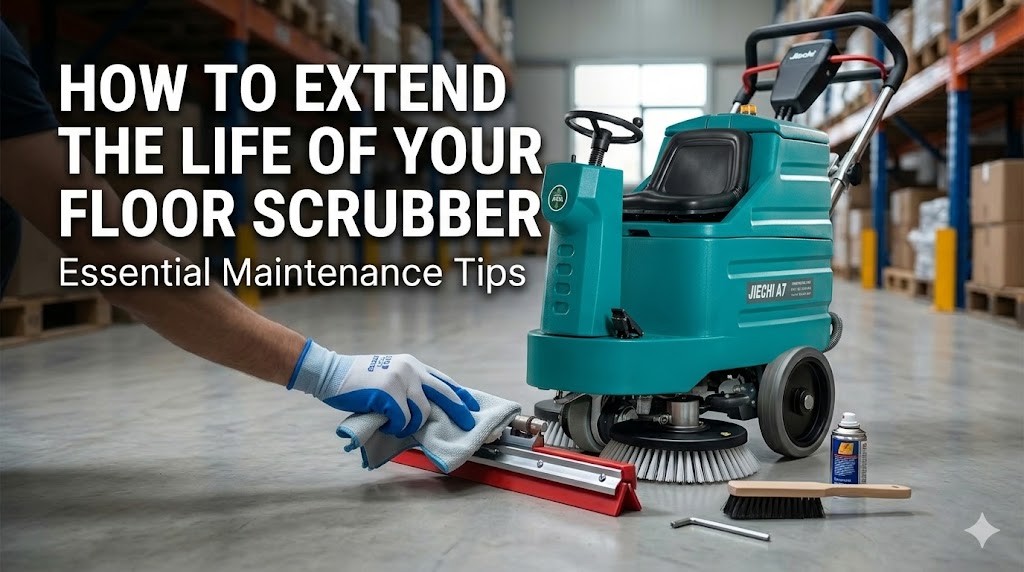
    A floor scrubber is a significant investment for any facility. Whether you run a warehouse, a retail store, or a commercial cleaning business, keeping your scrubber in top condition directly affects your cleaning results and your bottom line. Without proper care, even the best commercial floor scrubber can lose performance, break down, and cost thousands in repairs. Here are the essential maintenance tips to help you get the most out of your machine. 1. Rinse and Clean After Every Use This is the single most important habit. After each shift, empty the dirty water tank and rinse it thoroughly. Stagnant dirty water breeds bacteria, creates foul odors, and can clog the vacuum motor. Wipe down the squeegee blades and check for debris like string or plastic wrap that can get wrapped around the brush deck. 2. Check and Replace Squeegee Blades Regularly Worn squeegee blades leave streaks and standing water on the floor. Inspect them weekly — if you see nicks, tears, or uneven wear, replace them immediately. Properly maintained squeegees ensure your auto scrubber dryer leaves floors spotless and dry, reducing slip hazards. 3. Keep the Brush or Pad in Good Shape The brush or pad does the actual scrubbing work. Over time, bristles wear down and pads become saturated with dirt and grime. Replace brushes when bristles are less than half their original length. For pad drivers, rotate or flip the pad mid-shift to maximize usage. A worn brush forces the motor to work harder, shortening its lifespan. 4. Inspect Hoses and Seals for Leaks Vacuum hoses and tank seals are common failure points. A small crack in a hose reduces suction dramatically, leaving excessive water on the floor. Run a quick inspection weekly — listen for air leaks and look for water drips under the machine. Replacing a $10 hose is much cheaper than repairing water damage to internal electronics. 5. Charge the Battery Correctly Battery care is critical, especially for battery-powered floor cleaning machines. Overcharging or undercharging shortens battery life significantly. Use the charger that came with the machine. For lead-acid batteries, charge immediately after use and never let them sit discharged for more than 24 hours. For lithium-ion batteries, avoid fully draining them before recharging. 6. Lubricate Moving Parts Your scrubber has wheels, casters, bearings, and pivot points that need regular lubrication. Grease fittings should be serviced according to the manufacturer's schedule. Dry bearings create friction, which leads to premature wear and noisy operation. 7. Schedule Professional Maintenance Annually Even with daily care, some tasks require a professional technician. Schedule an annual service check to inspect the motor brushes, controller board, wiring harness, and drive system. Professional maintenance catches small issues before they become major breakdowns. Why Preventive Maintenance Matters A well-maintained floor scrubber doesn't just last longer — it cleans better, uses less water and detergent, and stays out of the repair shop. For facilities that rely on industrial floor cleaning equipment, downtime is expensive. Preventive maintenance keeps your operation running smoothly. At Jiechi Cleaning, we design our floor scrubbers with durability and easy maintenance in mind. From compact walk-behind models to high-capacity ride-on machines, every Jiechi scrubber is built for reliability. Regular maintenance is simple, and our team is always ready to provide support.   Contact us today to learn more about our floor scrubber lineup or to schedule a service consultation. Keep your floors clean and your machine running for years to come.

leave a message

leave a message
If you are interested in our products and want to know more details,please leave a message here,we will reply you as soon as we can.
submit

Home

Products

WhatsApp

contact